Compare Local Contractors for Gas Line Relocation Services
Compare local contractors for gas line relocation to define project scope, verify experience, and establish clear expectations for a successful job.
Gas line relocation projects typically involve carefully moving or rerouting existing natural gas or propane lines to accommodate property modifications, new construction, or safety upgrades. This work often covers tasks such as assessing the current pipeline layout, planning a new route that complies with safety standards, and physically installing the lines in their new position. Properly managing this process requires coordination with utility providers, adherence to safety protocols, and precise excavation and installation techniques to ensure the gas lines function correctly and safely in their new location.
Defining the scope of a gas line relocation project is crucial to establishing clear expectations and avoiding misunderstandings. A well-defined scope outlines the specific work to be performed, including the extent of excavation, the type of materials used, and any additional services like testing or inspections. Having these details in writing helps property owners and contractors align on project requirements, minimizes surprises, and ensures that both parties understand the responsibilities involved. Clear scope definitions also facilitate effective communication and serve as a reference point throughout the project.
Property owners can compare local contractors by evaluating their experience with gas line relocations, reviewing their qualifications, and verifying their familiarity with local codes and standards. It’s important to ask about previous projects similar in scope and complexity, as well as to confirm that contractors have the necessary insurance and safety practices in place. When seeking quotes or proposals, property owners should request detailed descriptions of the work scope, materials, and methods to compare offerings accurately. Taking the time to verify credentials, ask for references, and ensure all aspects of the project are documented in writing can help identify service providers best suited to handle the job reliably and professionally.
Compare local contractors by outlining project priorities, verifying experience, and clearly defining scope and expectations in writing.
- Compare Contractor Experience - Review the backgrounds of local contractors to ensure relevant experience with gas line relocation projects.
- Define Project Scope Clearly - Specify the work details and expectations in writing to prevent misunderstandings.
- Verify Credentials and References - Check references and project history to assess the reliability of service providers.
- Request Written Estimates and Agreements - Obtain detailed written descriptions of work to establish clear project parameters.
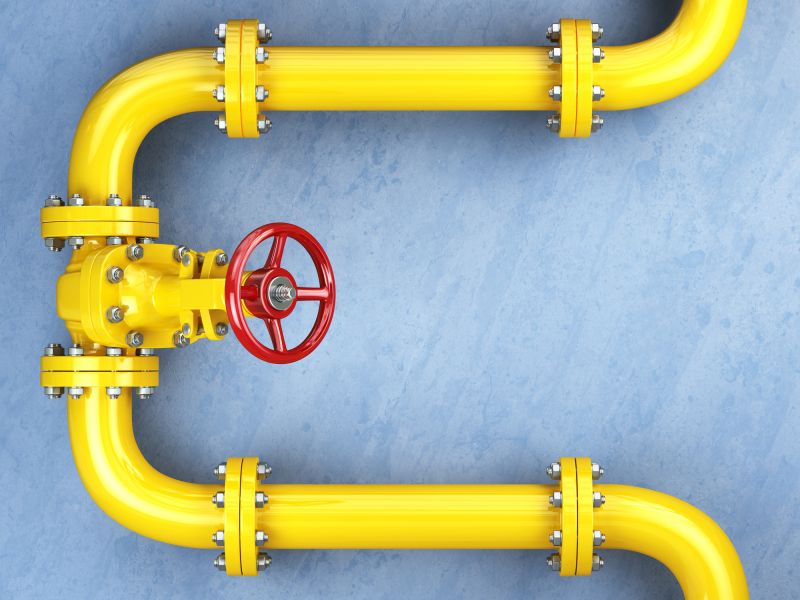
Clearly describe your gas line relocation project to compare local contractors, verify experience, and set written expectations.
- Verify experience with gas line relocation projects to ensure familiarity with local codes and regulations. - Ensure that scope of work is clearly defined and documented in writing before hiring a contractor.
- Check references or reviews to assess the quality and reliability of the service provider’s previous gas line work. - Confirm that the contractor has appropriate insurance coverage to protect against potential damages or accidents.
- Discuss the planned route and method of relocation to understand how the work will be executed. - Make sure the contractor adheres to all safety protocols and standards related to gas line handling and installation.
- Request a detailed written estimate outlining the scope, materials, and responsibilities involved in the project. - Clarify the process for obtaining necessary permits and inspections required for gas line work.
- Compare multiple local contractors to evaluate their experience, scope of services, and professionalism. - Ensure that all project expectations and responsibilities are clearly outlined and agreed upon in the contract.
Compare local contractors, verify experience, and clearly define scope to ensure successful gas line relocation.
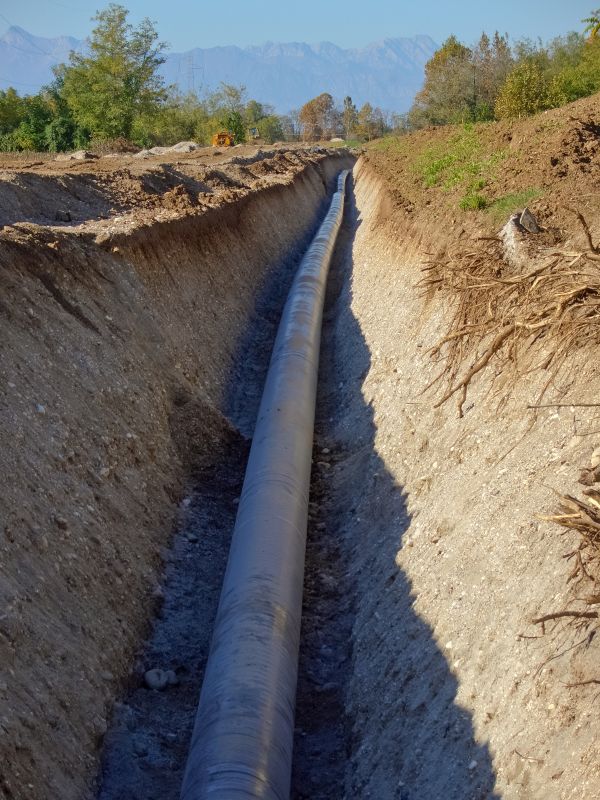

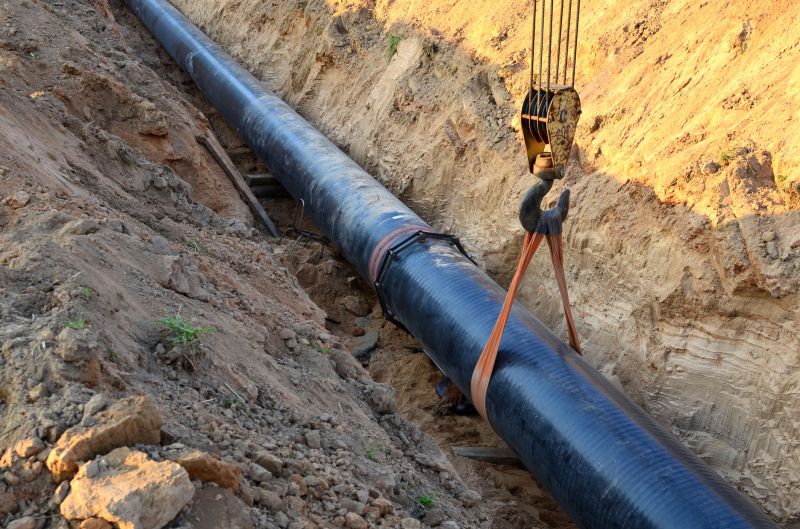
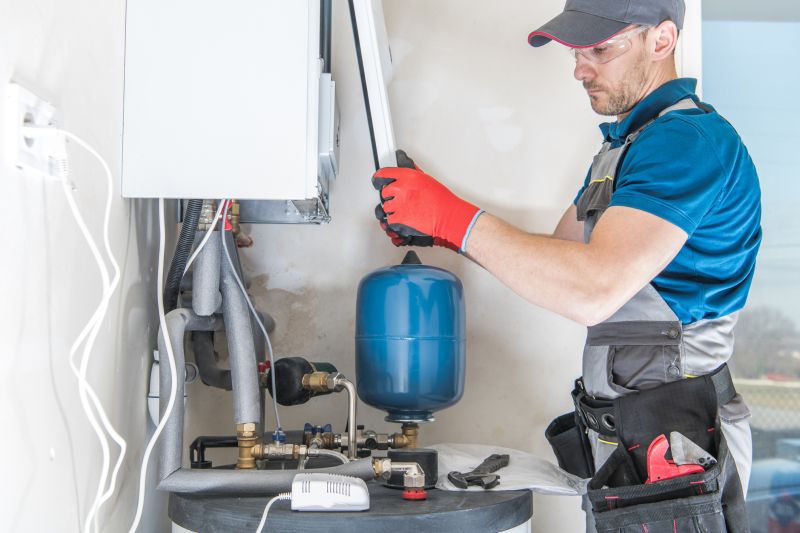
Use consistent comparison criteria across local contractors to accurately evaluate scope, experience, and written expectations.
- Scope Definition - Clearly outline the extent of the gas line relocation, including the start and end points of the new line route.
- Material Specifications - Identify the types of piping and fittings required for the relocation project.
- Work Area Preparation - Determine the necessary site preparations, such as excavation or access points, to facilitate the work.
- Safety and Compliance - Specify safety measures and adherence to local codes and standards for gas line modifications.
- Documentation and Approvals - Define the documentation needed, including permits, drawings, and written agreements with service providers.
When evaluating contractors for gas line relocation, it’s important to consider their experience with similar projects. Homeowners should inquire about the types of gas line work the service providers have completed in the past, ensuring they have a history of handling relocations in residential settings. Contractors with a proven track record in projects comparable to the scope at hand can offer insight into their familiarity with local codes, common challenges, and effective solutions, helping to establish confidence in their ability to manage the specific requirements of the job.
A clear, written scope of work is essential when comparing service providers. Homeowners should seek detailed descriptions of what each contractor plans to do, including the steps involved, materials to be used, and the extent of the work. A well-defined scope helps prevent misunderstandings and provides a basis for evaluating the thoroughness and professionalism of each contractor’s proposal. It also ensures that all parties have aligned expectations about what the project entails, making it easier to assess the suitability of each option.
Verification basics involve confirming that the contractors understand the necessary procedures for gas line work, including safety considerations and code compliance, even if licensing is not explicitly discussed. Homeowners can ask about the contractor’s process for verifying existing gas line conditions, ensuring proper permits are obtained, and the methods used to test and inspect the relocated line. This helps gauge whether the service provider emphasizes proper procedures and accountability, which are critical for a safe and successful project.
When comparing options, it’s helpful to evaluate how each contractor approaches the planning and communication process. Homeowners should look for service providers who provide comprehensive written proposals, outline the scope clearly, and are willing to answer questions about their methods and experience. By reviewing each contractor’s approach to project planning, safety protocols, and communication, homeowners can make informed decisions based on professionalism and thoroughness, ensuring the chosen service providers are well-equipped to handle the gas line relocation efficiently and safely.
Ask contractors to provide written scope details to ensure clarity and consistency throughout the gas line relocation project.
- Experience and Credentials - What specific experience do local contractors have with gas line relocation projects?
- Scope of Work - How do contractors define and outline the scope of the gas line relocation to ensure clarity?
- Comparison of Services - What services and methods do different service providers propose for relocating a gas line?
- Project Planning and Approach - How do local contractors plan and approach gas line relocation to meet safety and code requirements?
- Written Agreements - Do contractors provide detailed written descriptions of the scope and expectations for the project?
What should be included in the scope of a gas line relocation project? It's important to clearly define the work involved, including the length of pipe to be moved, the type of materials used, and any necessary permits or inspections required for the job.
How can I verify the experience of a contractor handling gas line relocation? Ask potential service providers about their previous projects, years of experience in gas line work, and whether they have handled similar relocations in your area to ensure they are knowledgeable about local codes and requirements.
What questions should I ask to compare different contractors? Inquire about their process for planning the relocation, how they handle disruptions, and whether they provide a detailed written scope of work to understand what is included and ensure transparency.
Why is it important to have a written agreement with a contractor? A written agreement helps establish clear expectations, defines the scope of work, and provides a record of what was agreed upon, reducing the potential for misunderstandings later on.
What factors influence the selection of a contractor for gas line relocation? Consider their experience, reputation, ability to define a clear scope of work, and their approach to safety and compliance to ensure a reliable and professional service.
How can I ensure that the scope of work is properly defined before work begins? Review detailed proposals or contracts that specify the work to be done, materials to be used, and any relevant standards or codes, and seek clarification on any unclear points before signing or proceeding.
This page has highlighted the importance of clearly defining the scope of a gas line relocation project, verifying the experience of local contractors, and setting expectations in writing. By understanding these key steps, homeowners can better compare service providers and select the right fit for their needs. Utilizing the quote form allows for easy comparison among nearby contractors, helping to identify options that match the project requirements.
Taking the time to review local contractors' qualifications and establish clear communication can lead to a more informed decision-making process. Using the quote form provides an efficient way to explore available service providers who can handle gas line relocation jobs. This approach supports finding experienced local service providers suited to the specific scope of the project.