Compare Local Contractors for Gas Line Installation Services
Compare local contractors to define project scope, verify experience, and set clear expectations in writing for a safe, reliable gas line installation.
Gas line installation services typically cover the planning, installation, and connection of natural gas or propane lines to appliances, heating systems, or outdoor fixtures. These projects often involve assessing the property’s layout, ensuring proper pipe sizing, and installing durable piping that meets safety standards. Contractors may also handle permits, inspections, and troubleshooting to ensure the gas system functions correctly and safely. Understanding the scope of work helps property owners clarify what tasks are included, such as whether the work involves only the piping or also the connection to appliances and regulators.
Defining the scope of a gas line installation project is essential for setting clear expectations and avoiding misunderstandings. A detailed scope outlines the specific tasks to be performed, materials to be used, and any necessary site preparations. It also helps property owners determine what responsibilities fall to the contractor versus what they might need to handle separately. Having a written scope can serve as a reference point throughout the project, ensuring that all parties agree on the work to be completed and reducing the risk of scope creep or unexpected issues.
When comparing local contractors for gas line installation, property owners should consider experience and expertise in similar projects within the area. It’s helpful to verify how long a contractor has been working locally and whether they have a track record of successful installations. Reviewing their approach to defining project scope and requesting detailed written proposals can provide insight into their professionalism and attention to detail. Additionally, asking about how they handle permits, inspections, and safety procedures can help ensure the chosen service provider is thorough and reliable. This approach supports making an informed decision based on the contractor’s experience and clarity in communication.
Compare local contractors by outlining project priorities, verifying experience, and clearly defining scope and expectations.
- Compare Contractor Credentials - Review the experience and reputation of local contractors to ensure they meet project requirements.
- Define Project Scope Clearly - Establish detailed work descriptions and expectations to prevent misunderstandings.
- Verify Experience and References - Check past work and references to assess the quality and reliability of service providers.
- Document Agreements in Writing - Ensure all project details, responsibilities, and expectations are recorded in a formal contract.
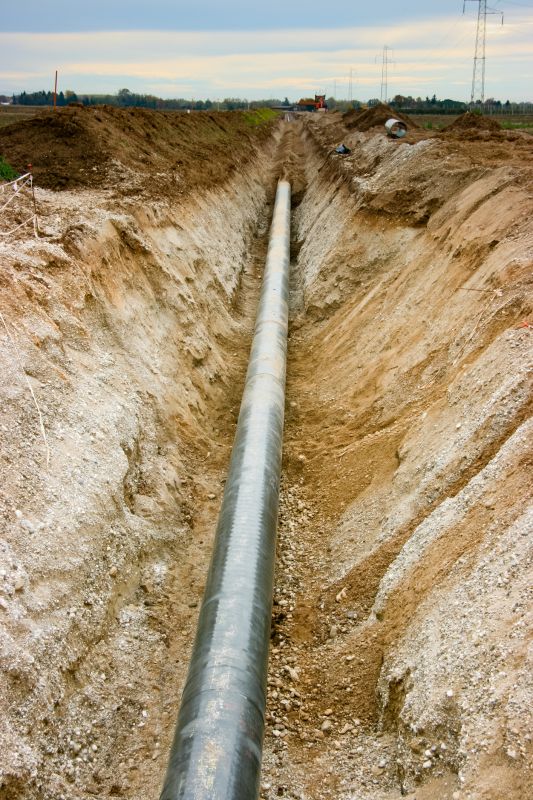
Clearly describe your gas line project first, then compare local contractors based on experience and scope.
- Verify experience and expertise of local contractors in gas line installation projects. - Ensure contractors can clearly define the scope of work and provide detailed project descriptions.
- Check references or reviews to assess the quality and reliability of previous gas line installations. - Confirm that service providers follow proper procedures and standards for safety and quality assurance.
- Discuss the materials and methods that will be used for the gas line installation to meet safety and code requirements. - Make sure scope and expectations are documented in writing for clarity and accountability.
- Compare the warranties or guarantees offered by different local contractors on their work and materials. - Understand what coverage is included and how issues will be addressed post-installation.
- Ask about the process for obtaining permits and inspections related to gas line installation in the area. - Ensure contractors are familiar with local regulations and can handle necessary paperwork.
- Define the project timeline and milestones to set clear expectations with the service providers. - Keep all agreements documented to avoid misunderstandings during the installation process.
Compare local contractors' experience and scope to ensure clear expectations for your gas line installation.
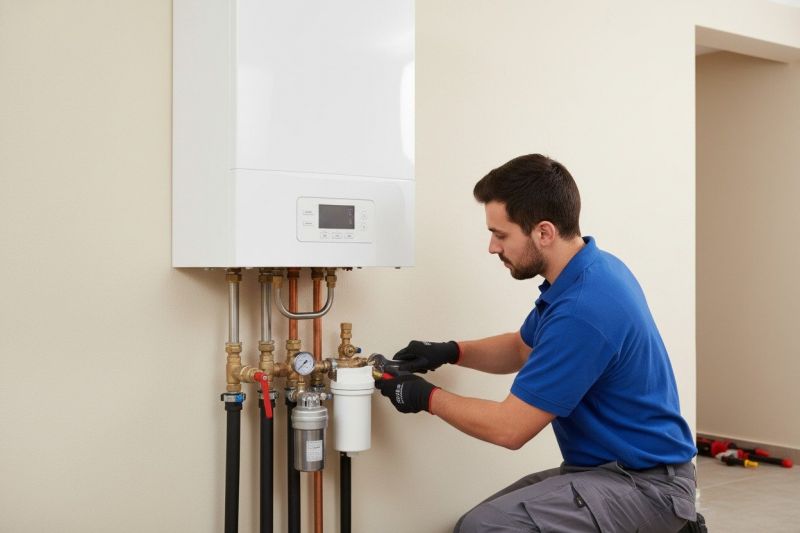
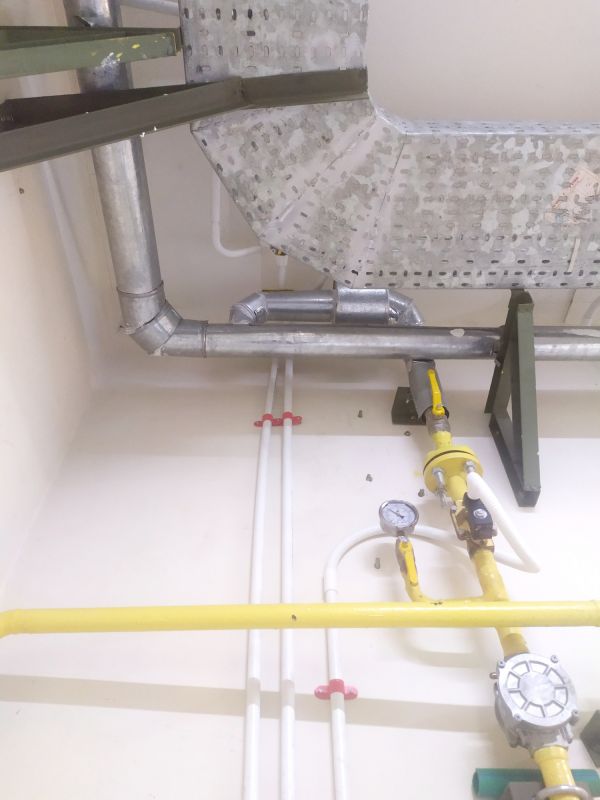
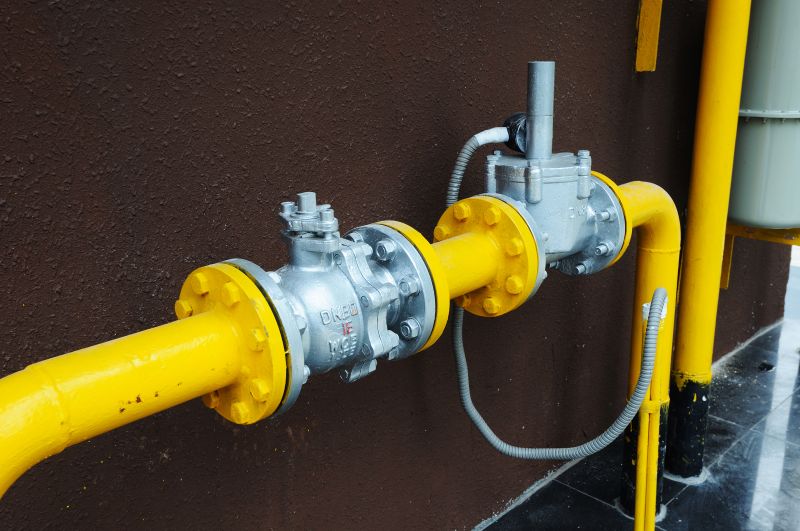
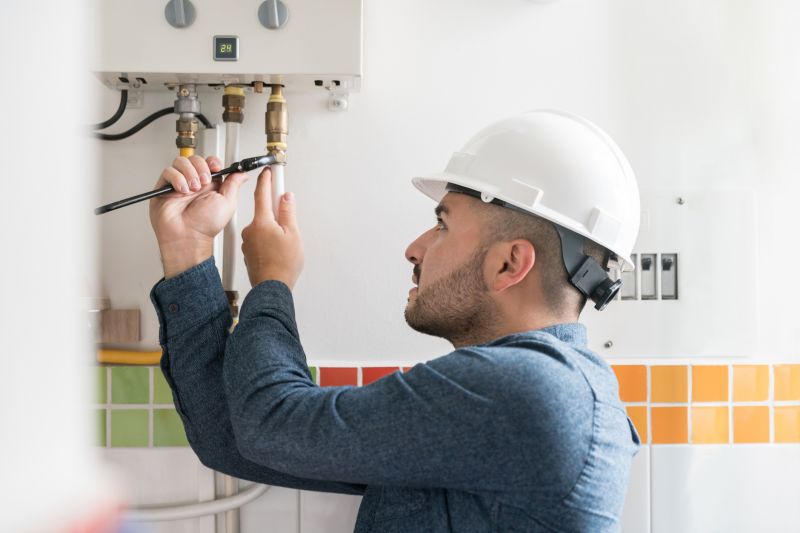
Learn how to compare local contractors, define project scope, verify experience, and set clear expectations in writing.
- Scope Definition - Clearly outline the extent of gas line installation work required, including any modifications or extensions.
- Material Specifications - Specify the types and quality of piping and fittings to be used in the installation.
- Experience Verification - Confirm that local contractors have relevant experience with gas line installation projects of similar scope.
- Work Plan Details - Request a detailed plan describing the installation process, including site preparation and safety measures.
- Written Agreement - Ensure all project expectations, responsibilities, and scope details are documented in a formal agreement.
When comparing contractors for gas line installation, it’s important to consider their experience with similar projects. Homeowners should inquire about how many gas line installations the service providers have completed and whether they have worked on projects comparable in scope and complexity. Contractors with a proven track record in handling installations in residential settings similar to the site in question are more likely to understand the specific requirements and challenges involved. Verifying a contractor’s relevant experience helps ensure that the chosen professional has the practical knowledge needed to perform the work safely and efficiently.
A clear, written scope of work is essential when evaluating potential service providers. Homeowners should seek detailed descriptions of what the project will include, such as the materials to be used, the extent of the installation, and any preparatory or follow-up work. A well-defined scope helps prevent misunderstandings and provides a basis for comparing what each contractor is offering. It also makes it easier to set expectations and ensures that all parties are aligned on the specifics of the project before any work begins.
Understanding verification basics can help homeowners assess the reliability of local contractors. This involves asking how the service providers plan to confirm the integrity and safety of the installation once completed. Basic verification steps might include pressure testing the gas line, inspecting for leaks, and ensuring proper connections. Homeowners should inquire about the procedures the contractors follow to verify that the installation meets safety standards and functions correctly. Knowing what to expect in terms of verification helps in making an informed decision and ensures the work will be checked thoroughly.
Evaluating options without focusing on prices involves examining how each contractor plans to approach the project and how well their proposals align with the homeowner’s expectations. Homeowners should compare the clarity of the scope of work, the experience of the service providers, and the verification methods they use. It’s also helpful to consider the professionalism of the communication and the completeness of the written proposals. By focusing on these factors, homeowners can select a local contractor who demonstrates competence, transparency, and attention to detail, leading to a smoother and more reliable installation process.
Ask contractors to provide written scope of work to ensure clear expectations and consistent project details.
- Experience and Credentials - How do local contractors' experience levels and project backgrounds compare for gas line installations?
- Scope of Work - What specific tasks and responsibilities are included in each contractor's proposed scope of work?
- Materials and Equipment - Are the materials and tools used by different service providers consistent with industry standards?
- Project Documentation - Do contractors provide clear, detailed written descriptions of the work to be performed?
- Communication and Clarifications - How do local contractors handle clarification of project details and scope adjustments during the process?
What should I consider when choosing a contractor for gas line installation? It's important to compare local contractors based on experience, reputation, and the scope of services they offer. Verifying their familiarity with similar projects can help ensure quality work.
How can I define the scope of my gas line installation project? Clearly outline your needs, including the location, length, and type of gas line required. Communicating these details helps contractors provide accurate assessments and proposals.
Why is it important to verify a contractor’s experience with gas line work? Experience indicates familiarity with safety standards, local codes, and proper installation techniques, reducing the risk of issues during or after the project.
What should I ask contractors to ensure they understand my project requirements? Request detailed explanations of their approach, materials, and previous similar projects. Having this information in writing helps set clear expectations.
How can I compare different contractors effectively? Review their scope of work, experience, and references. Comparing these aspects allows for a more informed decision based on expertise and reliability.
What is the benefit of having the project details in writing? Written documentation of the scope, expectations, and any agreements helps prevent misunderstandings and provides a reference throughout the project.
This page has provided an overview of how to find qualified contractors for gas line installation, including tips on defining the scope of work, verifying experience, and setting clear expectations in writing. It’s important to compare multiple service providers to understand their offerings and ensure the best match for your project needs. Utilizing the quote form can help connect with local contractors who are ready to assist with your gas line installation.
By using the quote form, visitors can easily explore and compare options among trusted local service providers. This approach simplifies the process of identifying experienced contractors who can handle the job, allowing for an informed decision based on your specific requirements. Taking the time to review and communicate your project details ensures a smoother experience when engaging with local contractors for gas line installation.